Why Hurricane Impact Windows Are a Must for Coastal Homes
Living on the Coast Means Living with Hurricanes
If you own a home or a business within a few miles of the coast, you already know the drill. Every year from June through November, the Atlantic hurricane season keeps everyone on edge. You board up windows, stock supplies, and hope the next storm does not find a weak spot in your home. But boarding up is a temporary fix. It is a hassle, it takes hours, and if you wait too long, plywood might not be enough. Over the years, I have seen the aftermath of too many storms to count. The single biggest point of failure in most homes is the windows. That is where wind gets in, pressure builds up, and a house can lose its roof or even collapse. That is why more homeowners are switching to hurricane impact windows.
I have been in the building trades for a long time, mostly in South Florida, where building codes are among the strictest in the country. And for good reason. After Hurricane Andrew in 1992, the entire approach to residential construction changed. Windows that could not withstand high winds and flying debris were no longer acceptable. The code now requires impact-resistant glazing in most new construction and major retrofits. But code is just a minimum. What I recommend to anyone who asks is to look beyond the minimum and invest in products that offer real peace of mind. Hurricane impact windows are one of those products.
What Makes a Window Hurricane-Resistant?
Not all windows labeled "impact" are the same. The key difference is in how they are built and tested. A standard window uses annealed glass, which shatters into large, dangerous shards when broken. Tempered glass is stronger and breaks into small, blunt pieces, but it still fails under high wind pressure or when hit by a piece of flying lumber. Impact windows, on the other hand, use laminated glass. That means a plastic interlayer, usually polyvinyl butyral or ethylene-vinyl acetate, sandwiched between two layers of glass. If the glass cracks, the interlayer holds the pieces in place. The window can stay intact even after a direct hit.
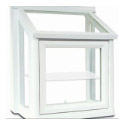
But the glass is only part of the story. The frame matters just as much. A weak frame made of thin aluminum or with poor anchoring will fail even if the glass holds. Look for frames that are reinforced, with heavy-duty extrusions and stainless steel screws into the structural walls. The seal between the frame and the wall must be watertight and flexible enough to handle building movement during a storm. Hurricane impact windows are tested to standards set by the American Society of Testing and Materials and the Florida Building Code. The tests simulate wind speeds of over 150 miles per hour and the impact of a 9-pound 2x4 timber shot from a cannon at 50 feet per second. That is no joke.
Why You Need More Than Just Tempered Glass
I have seen homeowners spend thousands on new windows only to find out later that their "hurricane-rated" windows were just double-pane tempered units with a nice sticker. That is not enough. During a Category 3 storm or higher, debris becomes a missile. A single piece of roof tile or a branch from a neighbor's tree can hit a window at highway speed. Tempered glass might survive the wind pressure but shatter on impact. Once the glass is gone, the wind enters the house, internal pressure spikes, and the roof can lift off. That chain reaction is how many homes are destroyed, not by the wind itself but by the breach. Hurricane impact windows are designed to prevent that breach. They absorb the hit and keep the envelope sealed.
There is also the issue of water intrusion. During a hurricane, rain is driven horizontally at high speed. A standard window with a weak seal will let water in around the edges. That water soaks into drywall, insulation, and framing, leading to mold and rot that shows up months later. Impact windows often include better drainage systems and tighter gaskets, so they resist water penetration even under extreme pressure. That is a detail most people overlook until they are dealing with a musty smell in the walls.
How to Choose the Right Product for Your Home
If you are in the market for new windows, do not just walk into a big box store and pick something off the shelf. Here are a few things to keep in mind:
- Check the product's Miami-Dade or Florida Building Code approval number. That is the gold standard for impact resistance.
- Ask about the design pressure rating. The higher the number, the more wind load the window can handle.
- Look for a manufacturer's warranty that covers both the glass and the frame for at least ten years.
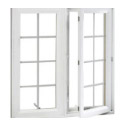
- Consider the style of the window. Casement windows tend to seal tighter than single hung or sliding windows because they compress the gasket when closed.
- Do not forget about installation. A great window installed poorly will fail. Make sure the contractor uses proper anchoring and sealant methods.
I have also seen people try to save money by buying impact windows only for the front of the house and leaving the back windows standard. That defeats the purpose. A breach anywhere on the windward side can cause enough pressure differential to damage the whole structure. If you are going to invest, do it for all openings that face the prevailing wind.

Connect with us on YouTube.
Installation Is Not a DIY Job
Some home improvement tasks are fine for a handy homeowner. Changing a faucet, painting a room, even laying tile. Installing hurricane impact windows is not one of them. The structural load path from the window to the foundation must be continuous. If the framing around the window is not properly tied into the wall, the window can blow out even if the glass holds. I have seen installations where the window was shimmed with wood scraps and the gaps were filled with spray foam. That is not acceptable. The gaps need to be filled with backer rod and a high-quality sealant, and the fasteners must be spaced according to engineering specifications.
Professional installers with experience in impact-resistant systems know how to read the shop drawings and follow the manufacturer's instructions. They also know how to handle the weight of laminated glass, which is significantly heavier than standard glass. A single large impact window can weigh over 100 pounds. That requires multiple people and proper lifting equipment to avoid injury or damage.
Long-Term Value Beyond Storm Protection
Hurricane impact windows offer benefits that go beyond storm season. The laminated glass blocks a high percentage of UV rays, which helps prevent fading of furniture, flooring, and artwork. It also provides excellent sound insulation. If you live near a busy road or in a dense neighborhood, you will notice the difference in noise reduction. The windows are also more difficult to break, which adds a layer of security against burglars. For me, the peace of mind alone is worth the investment. When a storm warning comes, I do not have to scramble for plywood or worry about whether my windows will hold. I can focus on other preparations, like securing outdoor furniture and checking my generator.
From a resale perspective, impact windows are a strong selling point. In coastal markets, buyers specifically look for homes that meet current wind code. If your home already has certified impact windows, that is one less thing they have to worry about. Some insurance companies even offer discounts on windstorm coverage for homes with impact-resistant glazing. It is worth checking with your agent.
A Simple Closing Thought
After decades in the business, I have learned that the best time to upgrade your windows is before a storm, not after. Waiting until a hurricane is in the forecast leads to rushed decisions and poor installations. Take your time, do your research, and choose a product that has been tested to the highest standards. For anyone in South Florida or similar coastal regions, LockTight Impact Windows, Doors, & Roofing, located at 2200 SW 45th St #101, Fort Lauderdale, FL 33312, can be reached at +1 954-500-5625. They are a South Florida-based company specializing in impact windows, doors, and roofing with over 50 years of experience and top customer ratings. They have seen it all and can help guide you through the process.
Corrections
Spot something wrong? Send it to the desk and it gets fixed in the open.